

AI or not?

AI Vs. Google
Should You Use AI First or Google First in Research Workflows?
A few years ago, my research workflow was simple: open Google, skim the first five results, maybe click into a Reddit thread if I felt stuck, and then slowly piece together an answer.
Note-Taking
AI Note-Taking vs Manual Notes: What Actually Improves Memory Retention?
The Core Problem: Note-Taking Has Two Completely Different Goals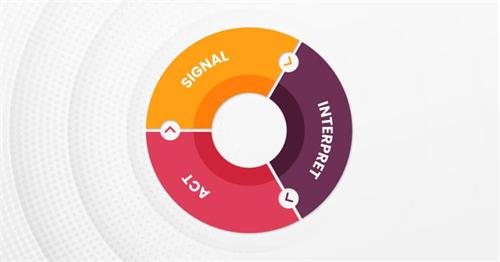
Prompts
Is It Better to Prompt Once or Iterate Multiple AI Prompts?
The answers looked correct, even impressive, but they didn’t help him think better.
AI or Brainstorming
Should You Use AI During Brainstorming or After Ideas Are Formed?
Should AI be part of the brainstorming process itself, or should it only come in after you’ve already formed your ideas?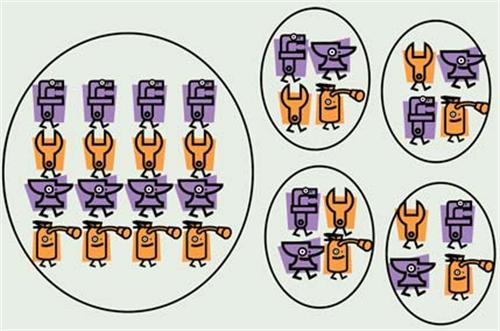
One AI Tool
Should You Centralize Everything in One AI Tool or Split Tools?
The Illusion of the “All-in-One” AI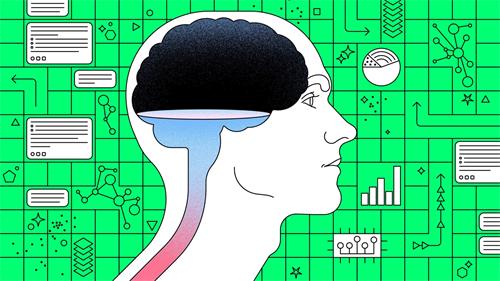
AI Output
When AI Output Becomes a Cognitive Shortcut Problem
Psychologists have long studied heuristics—mental shortcuts that help us make decisions quickly.AI Strategy
Non-Tech Users
AI Tools for Non-Tech Users: What Actually Matters
For most non-technical users, the promise of AI feels both exciting and vaguely frustrating.
Content Creators
AI Tools for Content Creators With Limited Time
A practical, no-fluff guide for people who need results—not just inspiration
Career Switchers
AI Strategy for Career Switchers Entering Tech Fields
A growing number of professionals are switching into tech from completely unrelated backgrounds—healthcare, education, logistics, finance, even the arts.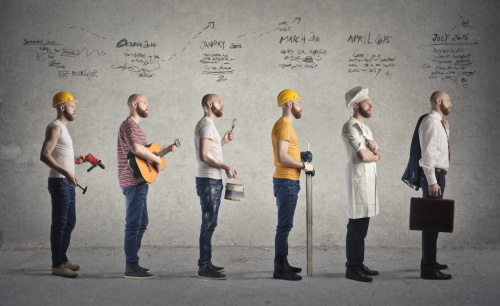
AI-Assisted Workflow
How to Design an AI-Assisted Workflow From Scratch
Designing an AI-assisted workflow from scratch is less like installing software and more like redesigning a small system of decisions, feedback loops, and responsibilities.
AI Tool Stack
Building a Minimal AI Tool Stack That Actually Works
In the current AI landscape, most people do not suffer from a lack of tools. They suffer from too many of them.
AI Output
How to Decide If AI Output Is “Good Enough”
The real challenge is no longer generating content—it is deciding whether to trust it, refine it, or discard it.
AI Corrections
When AI Corrections Introduce More Errors
The promise is simple: reduce human error by letting machines detect and correct mistakes automatically.
Detect Redundant Tools
How to Detect Redundant Tools in Your Stack
Redundancy in a tool stack is rarely obvious at first. It does not show up as a single broken system or a clear failure. It appears quietly through duplicated functionality, scattered data, inconsistent workflows, and subtle cognitive friction.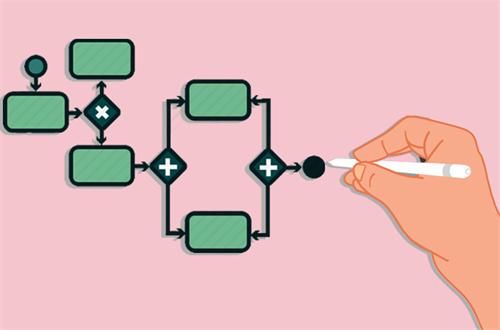
AI or Original Thought
How to Use AI Without Losing Original Thought
Artificial intelligence has quietly shifted from being a “tool you occasionally consult” to something many people now rely on throughout their thinking process.
AI Over-Automation
When AI Over-Automation Creates More Work Instead of Less
The point at which automation stops being leverage and starts becoming overhead.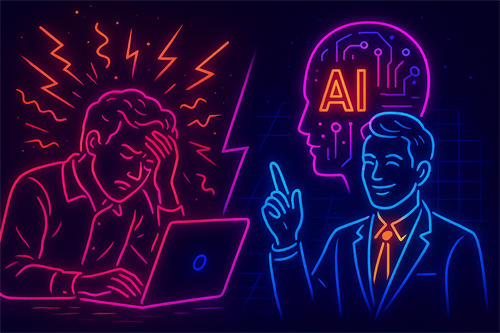
AI Tools
AI Tools
Different Types of AI Tools Explained (Text, Voice, Automation, Research)
AI for Learning and Research
Should You Use AI for Learning and Research Tasks?
AI for Communication
Should You Let AI Handle Your Communication (Emails, Replies, Proposals)?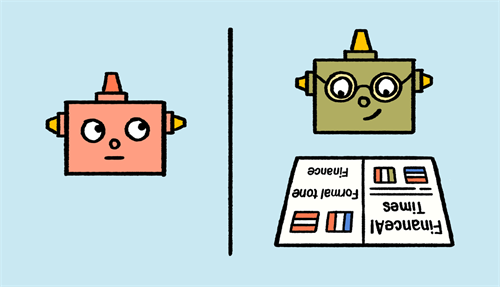
Translation Tools
AI Translation vs Professional Translation Tools: When Is It Enough?
AI Video Tools vs Manual Editing
AI Video Tools vs Manual Editing: Where Is the Real Time Saving?
AI Coding Assistants
AI Coding Assistants vs Stack Overflow: What’s More Efficient?AI Decision Making

Learning Curve of AI Tools
The Learning Curve of AI Tools: Faster or Just Different?
AI tools are often described as “easy to use” or “intuitive,” and compared to traditional software, that is partly true.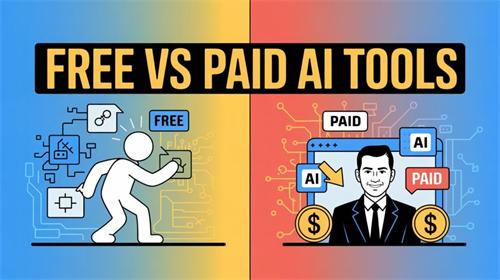
Paid AI Vs. Free AI
Are Paid AI Tools Worth It or Are Free Tools Enough?
The real question is not whether paid AI tools are “worth it” in general.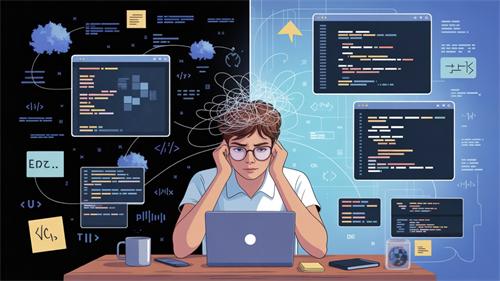
Daily AI Tools
What AI Tools Do People Actually Use Every Day? (Real Workflows Explained)
They are not building “AI-first companies.” They are building AI-assisted habits.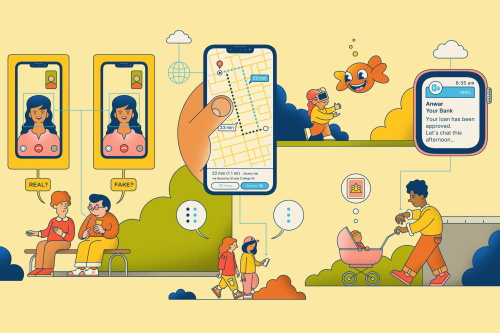
AI “understands” what we do
Why AI Doesn’t Really Understand Your Work (And What That Means)
It has practical consequences for how you should use AI, how much you should trust it, and where it can quietly lead you astray.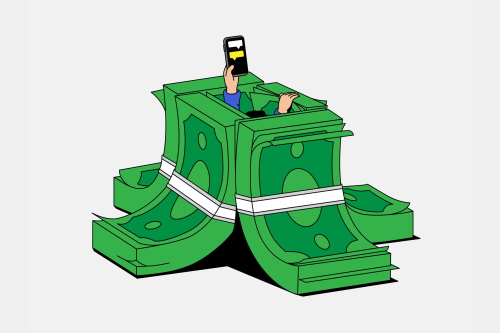
AI for Financial Decisions
Can You Trust AI for Financial Decisions? What Actually Breaks in Real Use
AI tools summarize earnings reports in seconds. Some investors even let algorithms propose entire portfolios. It all feels efficient, almost reassuring.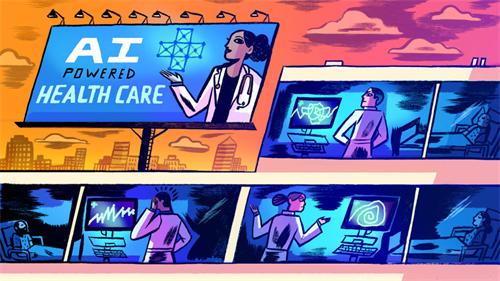
AI Medical Information
Can You Trust AI Tools for Medical Information? A Practical Evaluation Guide
The question is no longer whether people use AI for medical information—it’s how often, how deeply, and at what stage of their decision-making they rely on it.
Beginner to Advanced AI Tools
Which AI Tools Should You Use Based on Your Skill Level? (Beginner to Advanced)

Hidden Risks